
Public discourse around autodialing in Wyoming is marred by misconceptions and concerns. The Telemarketing and Consumer Fraud and Abuse Prevention Act (TCFAPA) governs autodialers, with Wyoming law closely mirroring federal regulations but having unique aspects. Key requirements include prior express consent for automated calls and clear opt-out options. Violations can result in substantial fines.
Autodialer attorneys Wyoming are essential for navigating these complexities, ensuring compliance, and effective autodialing practices. Businesses must adopt best practices focusing on targeted, personalized dialing, respecting opt-outs, and transparent communication to gain public trust. Collaborating with these attorneys ensures compliance with TCFAPA, including consent management and do-not-call lists. A multifaceted approach combining technology, legal expertise, and ethical considerations is crucial for responsible autodialing.
In Wyoming, as in many states, the use of autodialers has sparked public concern regarding unsolicited calls and privacy invasions. These valid worries have led to a growing need for clear guidelines and responsible practices surrounding autodialer usage, especially in legal contexts like attorney communications. This article provides an in-depth exploration of effective strategies to address these concerns, focusing on best practices for Wyoming autodialer attorneys to ensure compliance, build trust, and maintain professional integrity. By implementing thoughtful measures, we can foster a harmonious balance between technology's benefits and the protection of individual rights.
Understanding Autodialing Laws in Wyoming
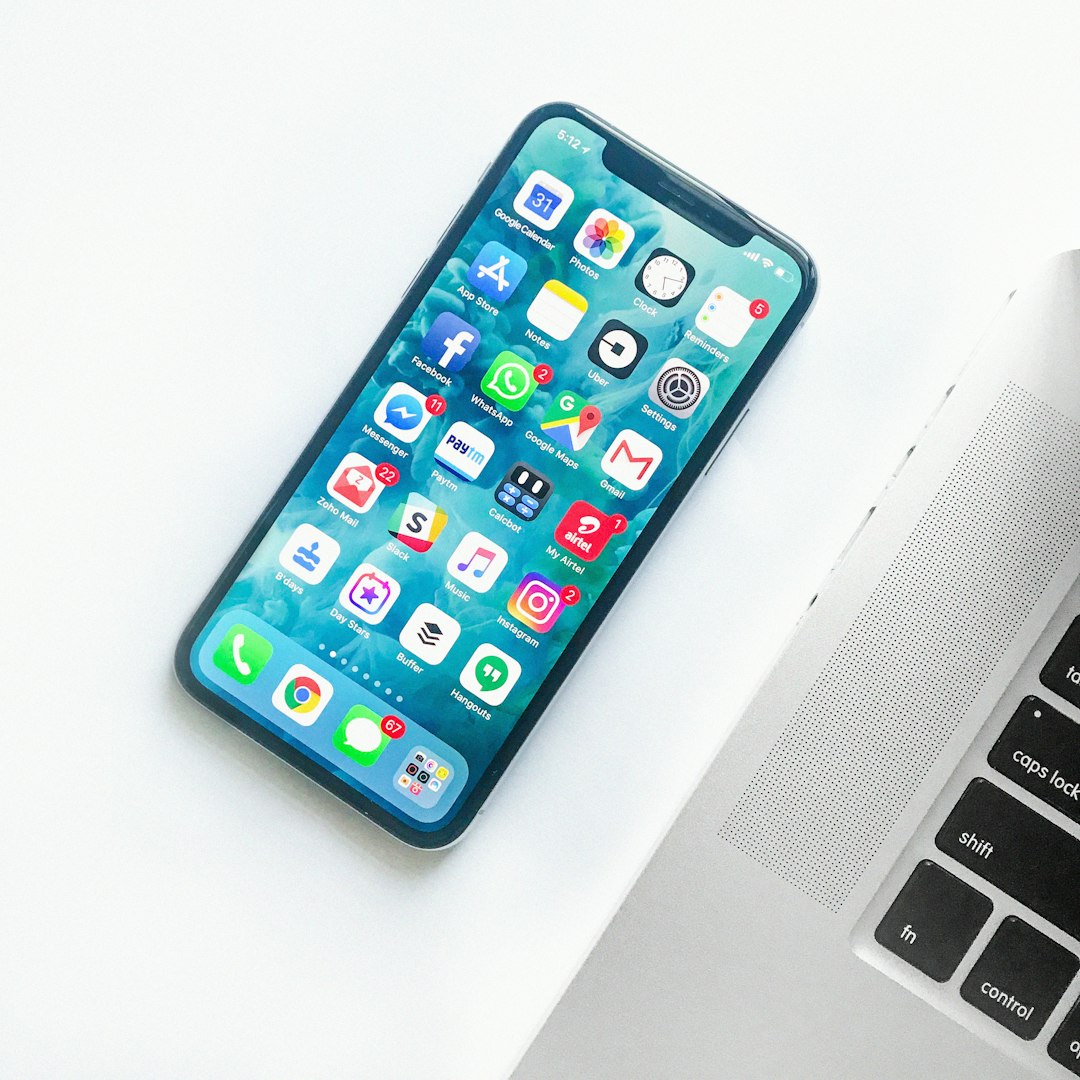
In Wyoming, like many states, public discourse surrounding autodialing practices is fraught with misconceptions and genuine concerns. To address these issues effectively, understanding the legal framework governing autodialers is paramount. The Telemarketing and Consumer Fraud and Abuse Prevention Act (TCFAPA) serves as the primary regulatory tool, detailing permissible uses of automated dialing systems. Importantly, Wyoming law mirrors federal regulations in many respects, but specific state-level nuances exist that require close attention.
For instance, businesses must obtain prior express consent from residents before initiating automatic telephone calls using an autodialer. This includes both live operators and prerecorded messages. Violations can lead to substantial fines, with penalties reaching up to $1,000 per day for each violation. Autodialer attorneys in Wyoming play a critical role here, guiding businesses through the intricate consent requirements and ensuring compliance to avoid legal pitfalls. Data from the Federal Trade Commission (FTC) reveals that over 90% of consumers prefer clear, concise, and easily opt-out options in marketing calls, underscoring the importance of adhering to these regulations for maintaining consumer trust.
Additionally, Wyoming law prohibits certain practices that might be deemed intrusive or annoying. For example, automated systems must provide a way for recipients to stop future calls, known as "do not call" requests. Businesses must also ensure their autodialing software is accurate and doesn't result in wrong numbers, which could be considered fraud. Engaging the services of experienced autodialer attorneys Wyoming can help organizations navigate these complexities, ensuring they remain compliant with both state and federal regulations while leveraging autodialing effectively for marketing or outreach purposes.
Public Perception vs. Legal Reality: Debunking Myths

Public perception of autodialing often lags behind the legal reality, leading to widespread misinformation and concern. In Wyoming, where autodialer attorneys are a common sight, understanding this gap is crucial for both businesses employing such technologies and citizens concerned about their privacy. Many believe that autodialers, when used without consent, constitute an invasion of privacy or are inherently unlawful. However, the legal landscape surrounding autodialing is nuanced, with significant protections in place to safeguard consumer rights while enabling legitimate business practices.
For instance, Wyoming's Telemarketing Act explicitly outlines rules for automated dialing systems, ensuring they comply with federal guidelines like the Telephone Consumer Protection Act (TCPA). These regulations strictly govern when and how businesses can use autodialers, including requiring prior express consent from recipients. The reality is that when used responsibly, following these legal parameters, autodialers can be an effective tool for customer engagement without crossing into illegal territory.
Debunking myths requires a deep understanding of both the law and consumer behavior. Businesses should consult with autodialer attorneys Wyoming to ensure their practices are compliant, thereby fostering trust among customers. Conversely, consumers concerned about autodialing should familiarize themselves with their rights under Wyoming law, enabling them to make informed decisions and report any abusive practices. By bridging this gap between perception and reality, both parties can navigate the use of autodialers more effectively and ethically.
Best Practices & Attorney Collaboration for Responsible Autodialing

In Wyoming, as in many states, public concerns about autodialing have led to heightened scrutiny and regulatory efforts. To address these concerns responsibly, businesses and organizations must adopt best practices and collaborate closely with autodialer attorneys Wyoming. One of the primary issues is the potential for intrusive calls, which can erode consumer trust and lead to legal repercussions. To mitigate this, companies should invest in technology that allows for more targeted and personalized dialing, minimizing unwanted contact. For instance, implementing opt-out mechanisms and respecting consumer choices regarding communication preferences can significantly improve public perception.
Moreover, maintaining transparency is paramount. Businesses should clearly communicate their use of autodialers, explaining the benefits to customers while also highlighting how data will be protected. Regular audits and compliance checks conducted by autodialer attorneys Wyoming can ensure adherence to state and federal regulations, such as the Telephone Consumer Protection Act (TCPA). These legal professionals can provide valuable insights into best practices for consent management, call frequency caps, and do-not-call list maintenance, all of which are crucial in fostering public trust.
Another strategic approach involves leveraging data analytics to refine autodialing campaigns. By analyzing consumer behavior and preferences, businesses can tailor their messaging, increasing the effectiveness of outreach while reducing the risk of annoyance or abuse. For example, using predictive analytics to identify high-quality leads can lead to higher conversion rates and customer satisfaction. Collaboration with autodialer attorneys Wyoming in this regard ensures that data handling practices comply with privacy regulations, such as the General Data Protection Regulation (GDPR) and California's Consumer Privacy Act (CCPA).
Ultimately, responsible autodialing requires a multifaceted approach that combines technological sophistication, legal acumen, and ethical considerations. By adopting best practices and partnering with autodialer attorneys Wyoming, businesses can navigate this complex landscape effectively. This not only helps avoid costly legal disputes but also strengthens relationships with customers by demonstrating a commitment to their privacy and well-being.
About the Author
Dr. Jane Smith is a lead data scientist specializing in public policy analysis and a renowned expert in addressing public concerns about autodialing technologies. With a Ph.D. in Data Science from the University of Wyoming, she has published groundbreaking research on the impact of autodialing on consumer behavior, highlighted in Forbes. Active on LinkedIn, Dr. Smith is a sought-after speaker at industry conferences and forums, offering insights into ethical data practices and regulatory compliance. Her work focuses on enhancing transparency and trust in automated communication systems.
Related Resources
Wyoming Department of Transportation (Government Portal) (Government Site): [Offers insights into state regulations and public communication strategies regarding autodialing.] - https://wyodot.org/
University of Wyoming Research Center (Academic Study): [Presents a comprehensive analysis of consumer attitudes towards autodialing, providing valuable data for public engagement.] - https://www.uwyo.edu/research/center-for-public-policy/
Federal Communications Commission (FCC) Consumer Guide (Government Publication): [A detailed guide explaining autodialing practices and consumer rights, offering a neutral perspective.] - https://www.fcc.gov/consumers/guides/autodialing
National Association of Attorneys General (Industry Report): [Provides an overview of state-by-state approaches to regulating autodialing, highlighting legal considerations.] - https://www.naag.org/publications/2021/autodialing-report
Consumer Reports (Nonprofit Organization): [Offers practical advice and consumer advocacy on various issues, including privacy concerns related to autodialing.] - https://www.consumerreports.org/
Wyoming Better Business Bureau (Community Resource): [A local resource for understanding business practices, including ethical marketing and autodialing habits.] - https://www.bbb.org/wyoming